Executive Summary
Visceral adipose tissue surrounds abdominal organs and is metabolically active. It releases free fatty acids and inflammatory signals into the portal circulation and is closely linked to insulin resistance, fatty liver and atherogenic dyslipidemia.
BMI cannot distinguish visceral from subcutaneous fat, lean mass from fat mass or ectopic fat from peripheral fat. Waist circumference and cardiometabolic markers add important context.
The 2026 AHA/ACC/ADA/ASN CKM guideline explicitly integrates obesity into cardiovascular and kidney risk staging rather than treating it as a cosmetic problem.
Intentional weight loss improves blood pressure, triglycerides, glycemia, sleep apnea and physical function. The magnitude of cardiovascular event reduction depends on the intervention and baseline risk.
SELECT changed obesity medicine by demonstrating a 20% relative reduction in MACE with semaglutide 2.4 mg in people with overweight/obesity and established cardiovascular disease but no diabetes.
Tirzepatide produces greater average weight loss than older therapies, but the dedicated placebo-controlled obesity cardiovascular-outcomes trial SURMOUNT-MMO remains active and is estimated to complete in October 2027.
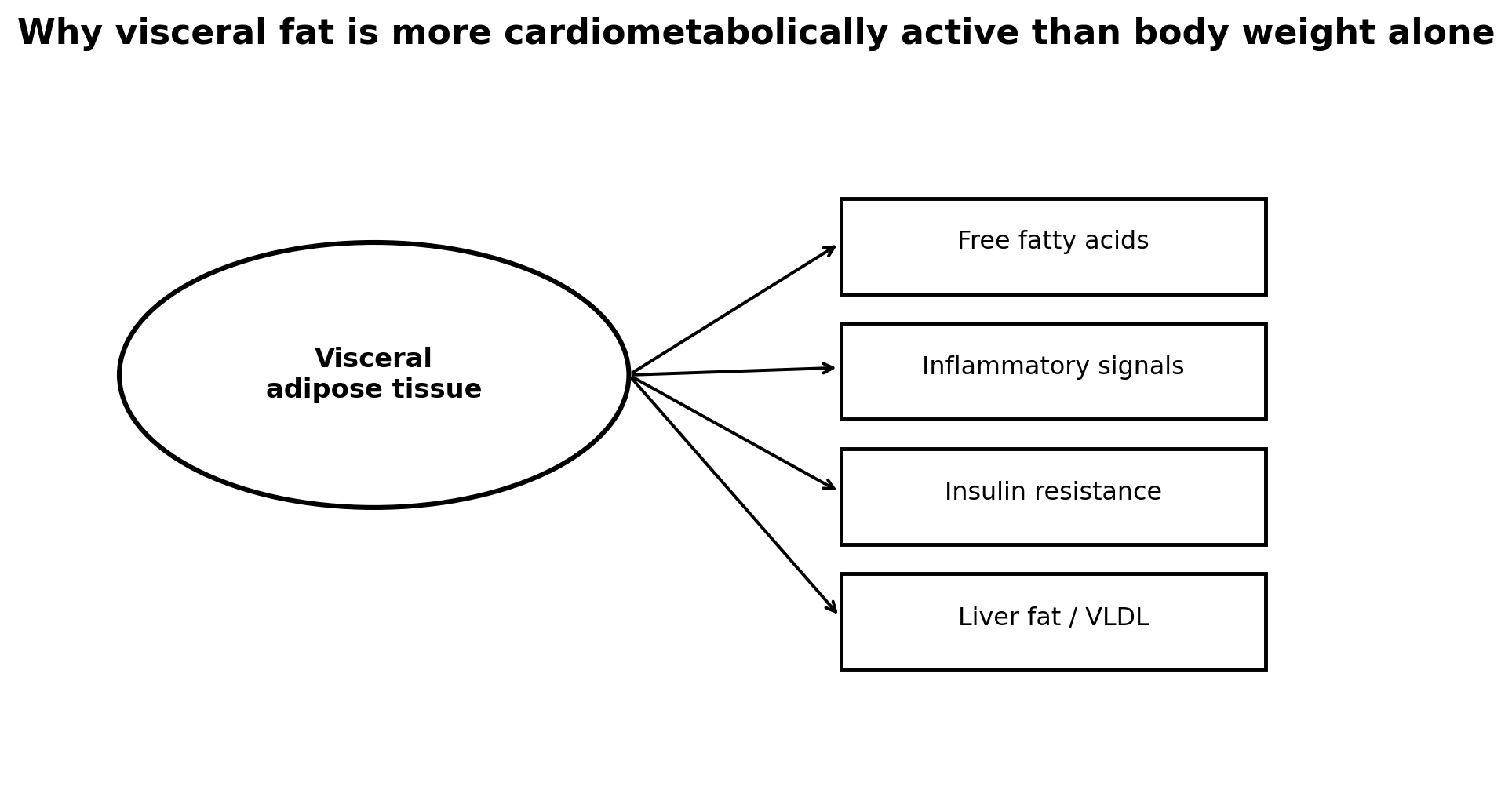
Figure 1. Visceral fat drives multiple metabolic pathways that link obesity to cardiovascular disease.
1. BMI is a screening tool, not a metabolic scan
Two people with the same BMI can have very different visceral fat, muscle mass, liver fat and cardiorespiratory fitness.
Waist circumference, triglycerides, blood pressure, HbA1c, liver status and sleep apnea often provide more actionable context.
2. Why visceral fat is harmful
Visceral adipose tissue is relatively lipolytic and sends free fatty acids directly to the liver, promoting hepatic VLDL production and insulin resistance.
It also participates in inflammatory and neurohormonal signaling that can affect the heart, kidneys and vasculature.
3. "Metabolically healthy obesity"
Some people with obesity have normal glucose, blood pressure and lipids for years. Their short-term risk can be lower than that of metabolically unhealthy obesity.
But the phenotype is often unstable over time and does not imply zero lifetime cardiovascular risk.
4. The goal of treatment
The strongest targets are better health, not a specific BMI. Improvements in waist, mobility, sleep apnea, blood pressure, glycemia and cardiometabolic medications can all matter.
Weight-loss pharmacotherapy is now treated as chronic disease therapy rather than a short “diet drug” course when indicated.
| Measure | What it captures | Limitation |
|---|---|---|
| BMI | Weight relative to height | No fat distribution or muscle information |
| Waist circumference | Central adiposity proxy | Technique and ethnic thresholds matter |
| Waist-to-height ratio | Central adiposity adjusted for height | Not yet the only guideline standard |
| CT/MRI visceral fat | Direct anatomical fat distribution | Cost/radiation for CT; not routine screening |
| Metabolic labs | Consequences of adiposity | Can be normal despite high visceral fat |
5. FAQ
Can a thin person have visceral fat?
Yes. Normal BMI does not exclude visceral or ectopic fat and metabolic risk.
Does losing 5-10% matter?
Yes. Even modest sustained weight loss can improve BP, triglycerides, glycemia and sleep apnea.
Can exercise reduce visceral fat without major weight loss?
Yes. Exercise can reduce visceral fat and improve fitness even when the scale changes little.
Is obesity itself an ASCVD treatment target?
Increasingly yes, especially when cardiometabolic disease or established CVD is present.
References
1. 2026 AHA/ACC/ADA/ASN Guideline for Cardiovascular-Kidney-Metabolic Syndrome.
2. Lincoff AM, Brown-Frandsen K, Colhoun HM, et al. Semaglutide and Cardiovascular Outcomes in Obesity without Diabetes. N Engl J Med. 2023;389:2221-2232.
3. ClinicalTrials.gov NCT05556512. SURMOUNT-MMO. Updated 2026; active, not recruiting; estimated completion October 2027.
4. Contemporary visceral adiposity and ectopic-fat cardiovascular literature.