Executive Summary
Bempedoic acid inhibits ATP-citrate lyase upstream of HMG-CoA reductase. Because its activating enzyme is largely absent in skeletal muscle, it was designed to reduce LDL-C with less direct muscle exposure than statins.
CLEAR Outcomes enrolled 13,970 patients with or at high cardiovascular risk who were unable or unwilling to take guideline-recommended statin doses. Baseline LDL-C was about 139 mg/dL.
At six months, LDL-C fell by roughly 21% versus placebo. Over a median 40 months, four-component MACE occurred in 11.7% vs 13.3% (HR 0.87). MI and coronary revascularization were significantly reduced; stroke and mortality were not significantly lower.
hsCRP also fell by roughly 20%, illustrating an anti-inflammatory biomarker effect in addition to LDL lowering.
Adverse effects that deserve attention include hyperuricemia, gout, gallstones and small increases in creatinine and hepatic enzymes. Tendon rupture is uncommon but appears in labeling and clinical counseling.
Bempedoic acid can be combined with ezetimibe for substantially greater oral LDL lowering. It is especially useful when statin dose is limited or an all-oral regimen is preferred.
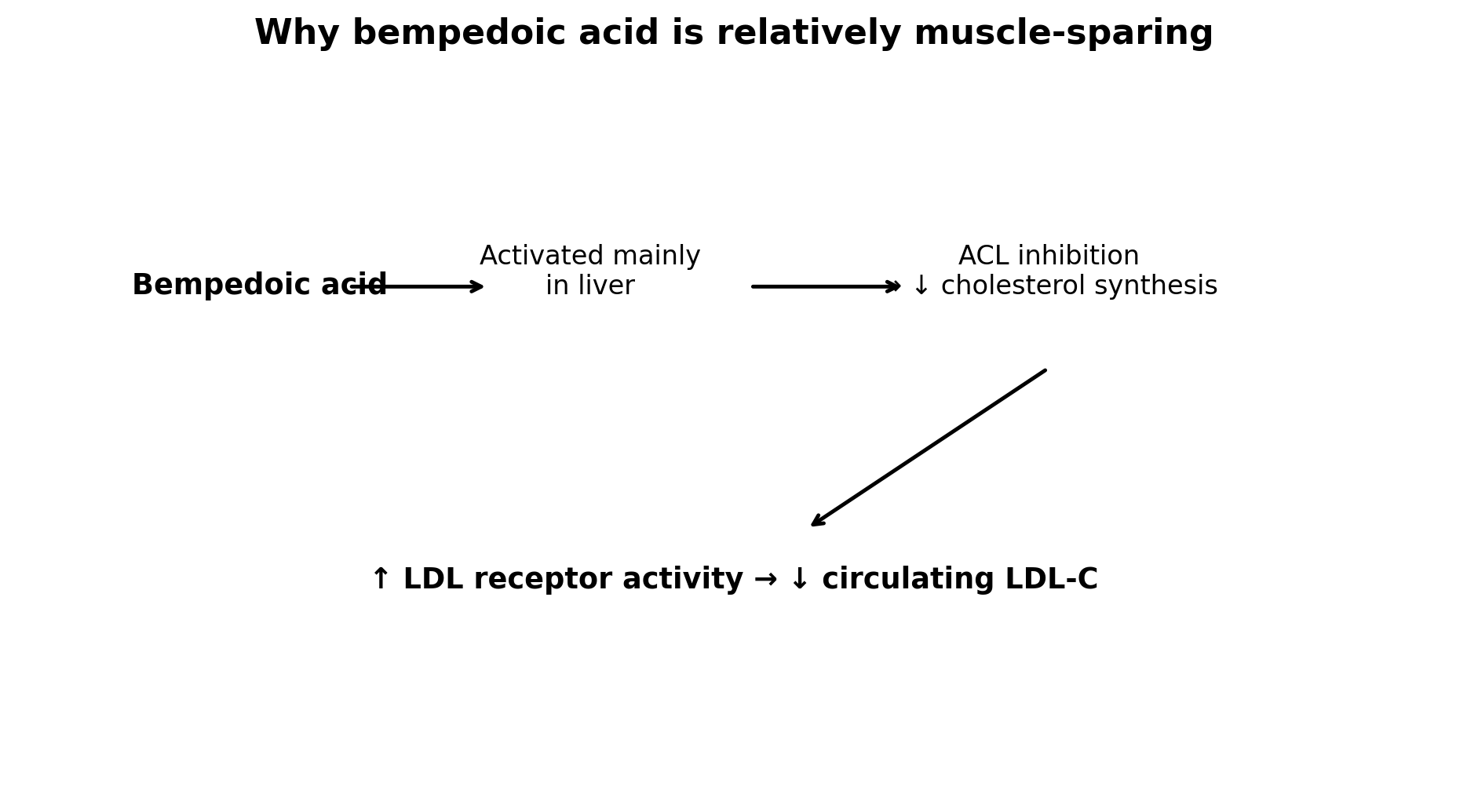
Figure 1. Bempedoic acid is activated mainly in the liver and inhibits ATP-citrate lyase upstream of statins.
1. CLEAR Outcomes in numbers
The primary four-component endpoint was reduced by 13% relative. The trial showed a 23% reduction in fatal/nonfatal MI and a 19% reduction in coronary revascularization in the primary report.
Total-event analyses later showed fewer recurrent events as well.
2. Primary prevention subgroup
A prespecified/high-risk primary-prevention analysis also showed benefit, making bempedoic acid unusually relevant for statin-intolerant patients who have not yet had an ASCVD event.
This does not make it a universal first-line substitute for statins; statins remain more potent, cheaper and supported by vastly larger evidence.
3. Safety and who needs caution
Baseline gout or high uric acid deserves attention. Patients with tendon disorders or concomitant risk factors should be counseled about tendon symptoms.
As with all LDL-lowering therapy, treatment choice should reflect the absolute LDL reduction needed to reach the patient’s risk-based goal.
| Therapy | Approximate LDL-C reduction | Outcomes status |
|---|---|---|
| Bempedoic acid | ~20-25% | CLEAR Outcomes: positive |
| Ezetimibe | ~18% alone | IMPROVE-IT when added to statin |
| Bempedoic + ezetimibe | ~35-40% | Components evidence; combo not separately outcome-tested |
| PCSK9 mAb | ~55-65% | FOURIER / ODYSSEY positive |
4. FAQ
Does bempedoic acid cause muscle pain?
Muscle-disorder rates in CLEAR Outcomes were similar to placebo, though any patient can still report symptoms.
Can it replace statins?
It is a strong Plan B or add-on, but statins remain first-line when tolerated.
Does it lower Lp(a)?
Not meaningfully enough to treat high Lp(a).
Who should be careful?
People with recurrent gout, high uric acid or tendon problems need individualized counseling and monitoring.
References
1. Nissen SE, Lincoff AM, Brennan D, et al. Bempedoic Acid and Cardiovascular Outcomes in Statin-Intolerant Patients. N Engl J Med. 2023;388:1353-1364.
2. American College of Cardiology. CLEAR Outcomes trial summary. 2023-2024.
3. Nicholls SJ, Nelson AJ, Lincoff AM, et al. Impact of Bempedoic Acid on Total Cardiovascular Events. JAMA Cardiol. 2024.
4. Lincoff AM, et al. Comparative LDL-C reduction and vascular-event analysis from CLEAR Outcomes. J Am Coll Cardiol. 2024.