Executive Summary
MASLD is hepatic steatosis occurring in the setting of cardiometabolic risk. It is closely linked to visceral adiposity, insulin resistance, type 2 diabetes, hypertriglyceridemia and hypertension.
Cardiovascular disease is one of the leading causes of death in MASLD, often exceeding liver-related mortality in patients without advanced cirrhosis.
The 2024 EASL-EASD-EASO guideline recommends case finding for advanced fibrosis in people with cardiometabolic risk factors, abnormal liver tests or imaging evidence of steatosis, especially with diabetes or obesity.
FIB-4 is a common first-line fibrosis score; transient elastography or other imaging follows when risk is indeterminate or elevated.
The 2026 ACC/AHA dyslipidemia guideline explicitly states that statins are not contraindicated in chronic stable liver disease including MASLD and do not increase hepatic failure risk in this setting.
Resmetirom is a liver-directed therapy for selected noncirrhotic MASH with significant fibrosis; it is not a substitute for cardiovascular risk-factor treatment.
Weight loss, Mediterranean-style dietary patterns, physical activity, diabetes/obesity therapy and aggressive lipid/BP control address both liver and cardiovascular risk.
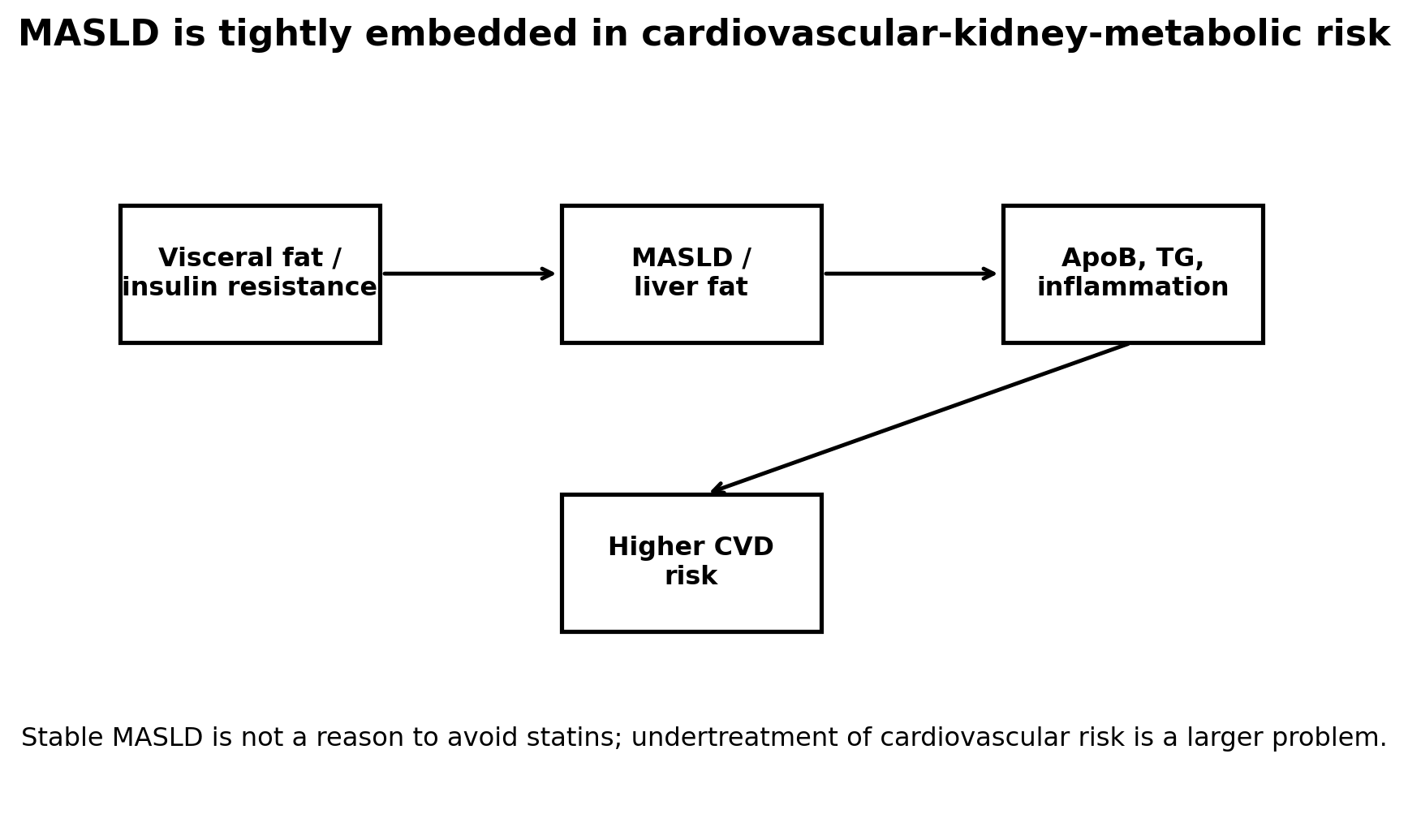
Figure 1. MASLD and atherosclerosis frequently arise from the same cardiovascular-kidney-metabolic network.
1. What MASLD means
The newer nomenclature replaces NAFLD and emphasizes the metabolic context. MASH replaces NASH when steatohepatitis is present.
Not every fatty liver progresses to cirrhosis; fibrosis stage is the strongest liver-specific prognostic factor.
2. Why the heart matters
MASLD often coexists with diabetes, ApoB elevation, hypertension, obesity and CKD. These shared pathways explain much of the cardiovascular burden.
The practical mistake is focusing on ALT while ignoring LDL-C, ApoB, blood pressure and glucose.
3. Statins are usually safe
Stable MASLD, mild chronic transaminase elevation and compensated liver disease are not routine reasons to withhold statins.
Decompensated cirrhosis is different and requires specialist medication review.
4. How fibrosis is assessed
FIB-4 uses age, AST, ALT and platelet count. It is intended for risk triage, not as a perfect diagnostic test.
Patients with higher or indeterminate scores can proceed to transient elastography or specialist assessment.
5. Weight-loss and metabolic therapy
GLP-1-based therapy and bariatric/metabolic surgery can improve weight, diabetes and liver biology in appropriate patients. Resmetirom has a specific MASH/fibrosis indication in selected noncirrhotic disease.
Cardiovascular medications should be chosen based on cardiovascular indications rather than whether they “treat fatty liver.”
| Question | Practical answer |
|---|---|
| Can I take a statin with fatty liver? | Usually yes in stable MASLD; cardiovascular benefit often outweighs concern about mild enzyme elevation. |
| Should ALT guide CVD treatment? | No. Liver enzymes do not substitute for fibrosis or ASCVD risk assessment. |
| What should be screened? | Diabetes, BP, lipids/ApoB, kidney disease and advanced liver fibrosis risk. |
| Is liver fat reversible? | Often yes with sustained weight loss and metabolic improvement, especially before advanced fibrosis. |
6. FAQ
Does fatty liver mean I will get cirrhosis?
No. Many people do not progress, but fibrosis risk should be assessed.
Can statins worsen fatty liver?
They are generally safe in stable MASLD and are recommended when indicated for cardiovascular risk reduction.
What is FIB-4?
A simple age/AST/ALT/platelet score used to triage fibrosis risk.
Is MASLD itself a cardiovascular risk enhancer?
It marks a high-risk cardiometabolic phenotype, and management should aggressively address conventional risk factors.
References
1. EASL-EASD-EASO Clinical Practice Guidelines on the Management of MASLD. J Hepatol. 2024.
2. Rinella ME, Neuschwander-Tetri BA, Siddiqui MS, et al. AASLD Practice Guidance on NAFLD/MASLD. Hepatology. 2023.
3. Blumenthal RS, Morris PB, Gaudino M, et al. 2026 ACC/AHA Dyslipidemia Guideline.
4. American Diabetes Association. Standards of Care in Diabetes—2025/2026. MASLD recommendations.