Executive Summary
Calcific aortic stenosis (AS) is an active fibrocalcific disease of the aortic valve, not simply passive “wear and tear.” Valve interstitial cells acquire osteogenic behavior, inflammatory and lipid pathways become activated, calcium accumulates, the cusps stiffen, and the valve opening progressively narrows.
Lp(a) is one of the strongest genetically supported causal risk factors for calcific aortic valve disease. In the landmark 2013 New England Journal of Medicine genetic study, an LPA variant associated with high Lp(a) was linked to aortic-valve calcification and to incident AS; the hazard ratio for incident AS was 1.68 per risk allele.
The mechanism is biologically distinctive. Lp(a) is a major carrier of oxidized phospholipids (OxPL), which can trigger inflammation and osteogenic differentiation in valvular interstitial cells. Imaging studies using 18F-sodium fluoride PET and CT have linked higher Lp(a)/OxPL to greater valve calcification activity and faster progression.
The association with developing AS is more secure than the association with progression after AS is already present. Some longitudinal studies show faster hemodynamic and calcium progression with high Lp(a), while others do not. A recent meta-analysis summarized in JACC: Advances found faster peak-velocity progression in the highest Lp(a) groups but no consistent relationship with change in valve area.
A large 2024 cohort of 44,742 patients found that Lp(a) >100 mg/dL was associated with nearly twice the risk of developing severe degenerative AS and approximately twice the risk of subsequent aortic valve replacement compared with Lp(a) <30 mg/dL. The same association was not seen for bicuspid or rheumatic AS, reinforcing the specificity for degenerative calcific disease.
Traditional LDL-C lowering has not solved established AS. SALTIRE, SEAS and ASTRONOMER all failed to show that statins meaningfully slow valve-stenosis progression, despite the clear benefit of statins for coronary ASCVD. This is one of the most important reasons not to treat the aortic valve as simply “coronary plaque in a different place.”
The most important current trial is Lp(a)FRONTIERS CAVS (NCT05646381), a Phase 2 randomized trial of pelacarsen 80 mg monthly versus placebo in approximately 502 adults with mild or moderate calcific AS and Lp(a) ≥175 nmol/L. Its co-primary outcomes are change in peak aortic jet velocity and CT aortic-valve calcium at 36 months. As of the June 23, 2026 registry update, the study was recruiting and estimated to complete in March 2030.
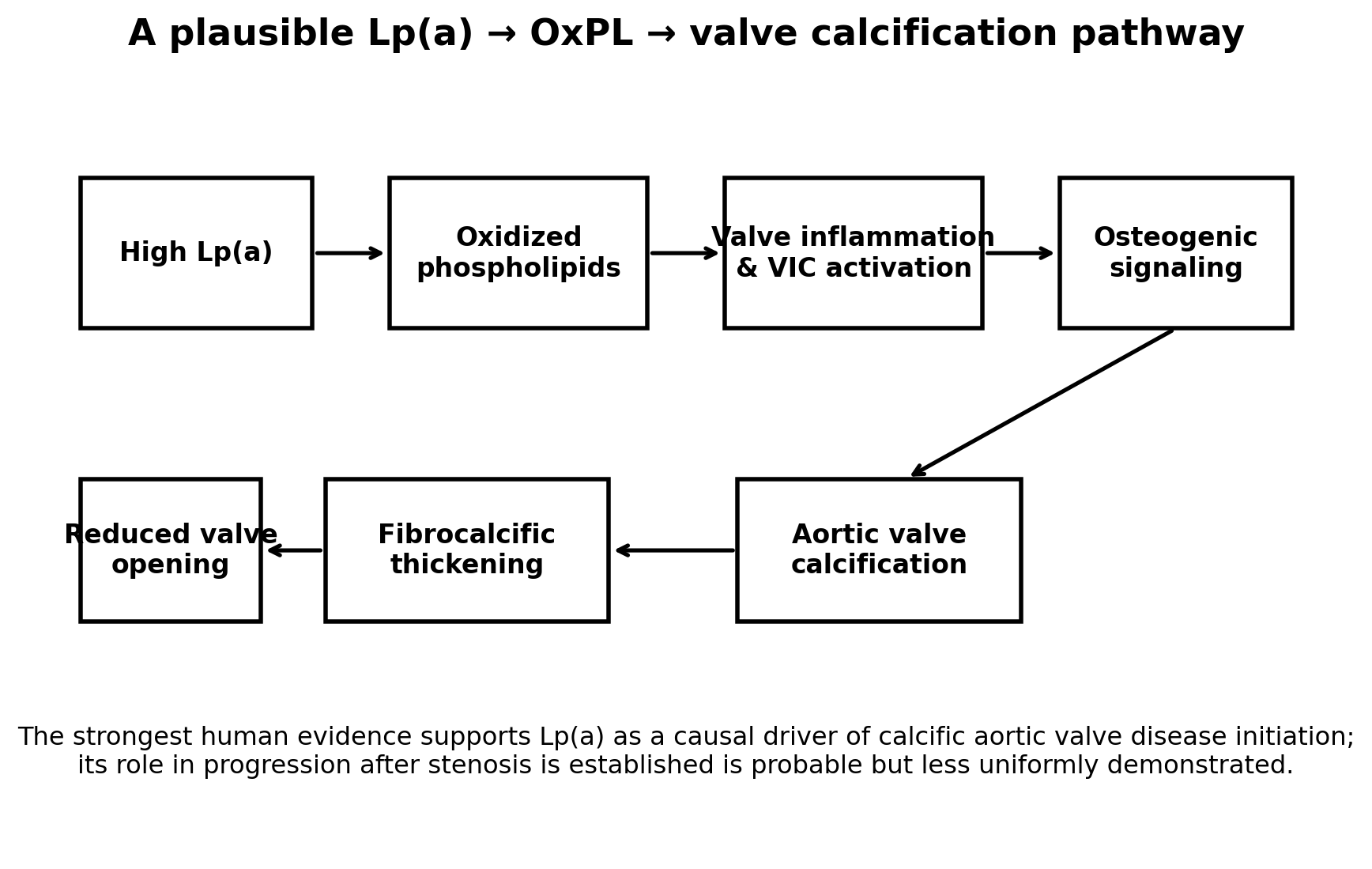
Figure 1. The leading mechanistic model connecting Lp(a), oxidized phospholipids and calcific aortic valve disease.
1. What Is Calcific Aortic Stenosis?
The aortic valve sits between the left ventricle and the aorta. In a healthy valve, thin flexible cusps open widely with each heartbeat. In calcific aortic valve disease, the cusps progressively thicken, fibrose and mineralize. When the obstruction becomes hemodynamically important, the condition is called aortic stenosis.
Early aortic sclerosis can exist without meaningful obstruction. Over time, some patients develop mild, moderate and eventually severe AS. Echocardiography grades severity using several parameters, including peak aortic jet velocity, mean pressure gradient and aortic valve area.
Calcific AS becomes increasingly common with age, but aging alone does not explain the biology. Genetics, Lp(a), LDL-related pathways, inflammation, renal dysfunction, metabolic factors and mechanical stress all contribute.
2. Why Lp(a) Is Different From "Just High Cholesterol"
Lp(a) is an LDL-like particle containing apoB-100 plus an additional apolipoprotein(a) molecule. Its concentration is largely inherited and is determined mainly by the LPA gene. The apo(a) component also makes Lp(a) a preferential carrier of oxidized phospholipids.
This combination is especially relevant to the aortic valve. OxPL can stimulate inflammatory signaling and promote the transformation of valvular interstitial cells toward an osteoblast-like phenotype. In other words, the valve begins expressing biology associated with bone formation and mineral deposition.
That mechanism helps explain why Lp(a) can be associated with both coronary atherosclerosis and calcific aortic valve disease while the two diseases still respond differently to treatment.
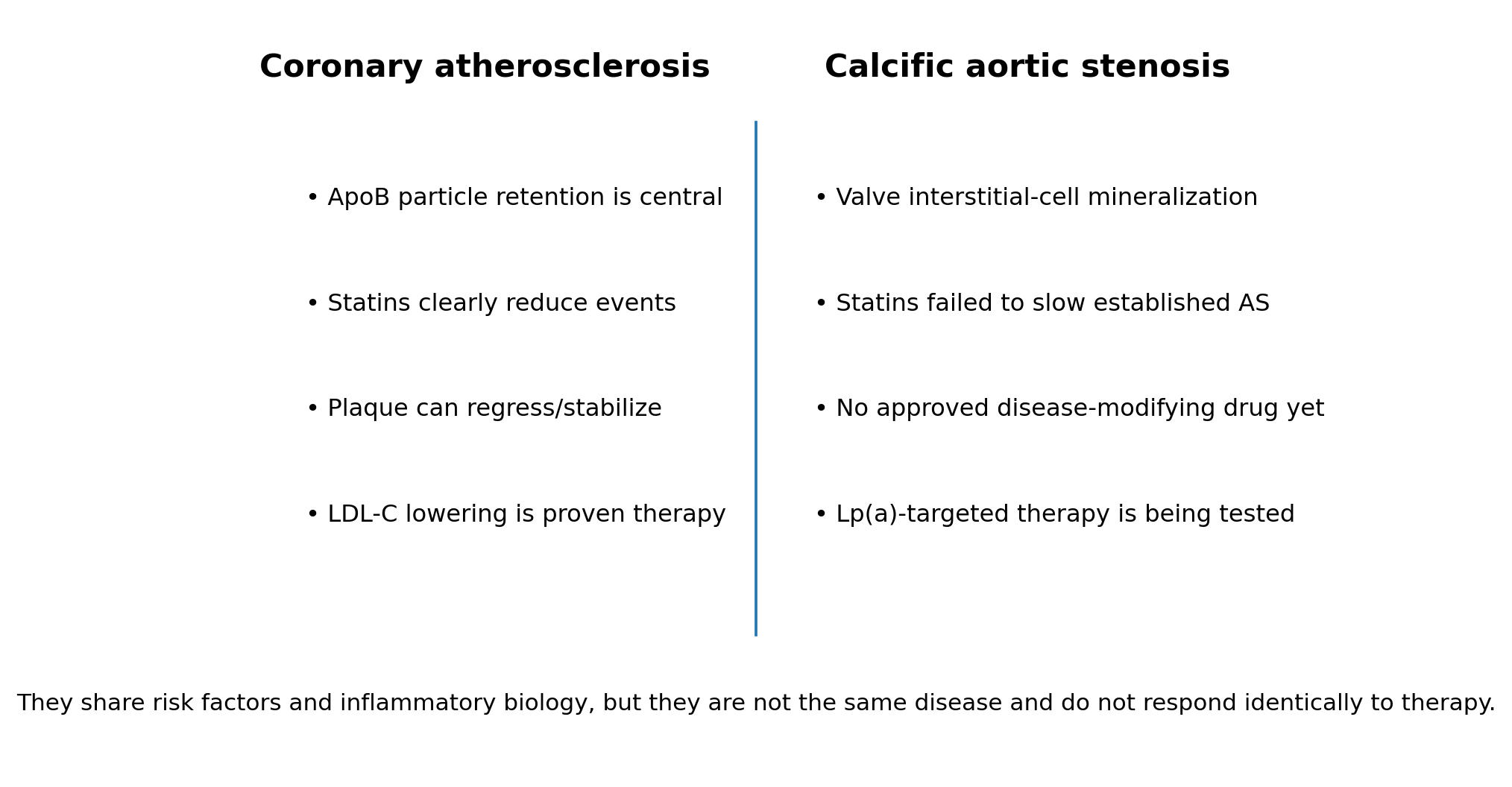
Figure 2. Coronary atherosclerosis and calcific aortic stenosis overlap biologically, but they are not interchangeable diseases.
3. The Genetic Evidence: Why the Link Is Considered Causal
The strongest evidence that Lp(a) is more than a bystander came from human genetics. In 2013, Thanassoulis and colleagues performed a genome-wide association analysis of aortic-valve calcification and found that the LPA locus was strongly associated with valve calcium across multiple cohorts and ethnic groups.
The LPA rs10455872 risk allele was associated with incident aortic stenosis (hazard ratio 1.68 per allele) and aortic valve replacement (hazard ratio 1.54) in prospective cohorts. Genetically predicted Lp(a) levels were also associated with aortic-valve calcification.
Because LPA variants are assigned at conception and strongly influence lifelong Lp(a) exposure, these Mendelian-randomization-like observations provide powerful evidence that Lp(a) participates causally in disease initiation rather than merely rising as a consequence of valve disease.
The evidence that Lp(a) contributes to the development of calcific aortic valve disease is stronger than the evidence that lowering Lp(a) after stenosis exists will slow progression. That second question is exactly what current trials must answer.
4. Lp(a), Oxidized Phospholipids and Valve Calcification Activity
The 2015 ASTRONOMER biomarker analysis and related work linked high Lp(a) and OxPL-apoB to faster hemodynamic progression of AS. In a cohort of 220 patients with mild-to-moderate AS, patients in the highest Lp(a) and OxPL groups had faster increases in peak aortic jet velocity than those with low levels.
A 2019 JACC study strengthened the mechanistic case by combining PET, CT, echocardiography and laboratory experiments. Among 145 patients with AS, the highest Lp(a) tertile had greater 18F-NaF PET valve calcification activity, faster CT calcium accumulation, faster echocardiographic progression and a higher combined risk of valve replacement or death.
In vitro, Lp(a) promoted osteogenic differentiation of valvular interstitial cells, and this effect was mediated by oxidized phospholipids. This is one of the clearest bridges between a circulating genetically determined lipoprotein and the cellular biology of valve mineralization.
| Study signal | Higher Lp(a) / OxPL | Lower Lp(a) / OxPL |
|---|---|---|
| 18F-NaF valve activity | Higher PET activity | Lower activity |
| CT valve calcium progression | ~309 AU/year in top Lp(a) tertile | ~93 AU/year in lower tertiles |
| Peak velocity progression | ~0.23 m/s/year | ~0.14 m/s/year |
| AVR or death | Higher risk; HR 1.87 | Reference group |
5. Does High Lp(a) Make Aortic Stenosis Progress Faster?
Probably in at least a subset of patients, but this is where the literature becomes less uniform. Several cohorts have linked high Lp(a) to faster progression by peak velocity or valve calcium, yet other population studies have found a clearer association with disease onset than with progression after stenosis is established.
A 2025 JACC: Advances review summarized a meta-analysis of 757 patients across five longitudinal studies. Patients in the highest Lp(a) tertile had faster progression measured by peak aortic velocity, with estimates roughly 41% to 57% higher depending on the analysis. The association was not consistently demonstrated when progression was measured by aortic valve area.
This discordance is biologically plausible. Early disease initiation may depend strongly on lipid/OxPL signaling, whereas later-stage disease can become dominated by self-sustaining fibrosis, mineralization and mechanical stress. If so, Lp(a) lowering may work best before the valve is severely calcified—another reason current trials focus on mild-to-moderate disease.
6. The 2024 Severe Aortic Stenosis Cohort
A large Korean tertiary-center cohort published in JACC: Asia in 2024 included 44,742 patients who had both Lp(a) testing and echocardiography. Over a median 6.8 years, 472 developed severe degenerative AS and 387 underwent valve replacement.
Compared with Lp(a) below 30 mg/dL, levels above 100 mg/dL were associated with an adjusted hazard ratio of 1.96 for severe degenerative AS and 2.05 for aortic valve replacement. Intermediate Lp(a) categories did not reach statistical significance.
Importantly, the association was specific to degenerative AS and was not observed for severe bicuspid or rheumatic AS. This reinforces the concept that Lp(a) is particularly relevant to the calcific degenerative pathway rather than every possible cause of aortic valve narrowing.
7. Why Statins Help Arteries but Did Not Stop Aortic Stenosis
Early calcific valve disease shares features with atherosclerosis, so it was logical to test aggressive LDL lowering. The results were sobering.
SALTIRE randomized patients with calcific AS to atorvastatin 80 mg or placebo and found no meaningful slowing of echocardiographic progression or valve calcification. SEAS tested simvastatin plus ezetimibe in 1,873 patients and likewise found no reduction in the major composite of aortic-valve events, despite substantial LDL lowering and fewer ischemic events. ASTRONOMER found that rosuvastatin 40 mg did not slow AS progression in mild-to-moderate disease.
These trials do not mean LDL-C is irrelevant to cardiovascular health in a person with AS. Many patients with AS also have coronary disease and should receive lipid-lowering therapy for ASCVD indications. The lesson is narrower: lowering LDL-C with statins has not been shown to reverse or halt established calcific valve stenosis.
| Trial | Therapy | Valve-disease result |
|---|---|---|
| SALTIRE (2005) | Atorvastatin 80 mg | No significant slowing of AS or valve calcification |
| SEAS (2008) | Simvastatin 40 mg + ezetimibe 10 mg | No reduction in aortic-valve events / stenosis progression |
| ASTRONOMER (2010) | Rosuvastatin 40 mg | No slowing of mild-to-moderate AS progression |
8. PCSK9 Inhibition: Interesting, but Not a Proven Valve Therapy
The FOURIER trial was designed to test cardiovascular outcomes with evolocumab, not aortic stenosis. A secondary exploratory analysis identified only 63 AS events, but it generated an interesting signal.
Higher Lp(a) concentrations were associated with more AS events. Evolocumab was associated with an overall hazard ratio of 0.66 for AS events, with confidence intervals crossing 1.0. After the first year, the hazard ratio was 0.48. These findings are hypothesis-generating because event numbers were small and the analysis was not a dedicated randomized valve trial.
PCSK9 inhibitors reduce LDL-C dramatically and Lp(a) modestly, typically by roughly 20-30%. It remains unknown whether that degree of Lp(a) lowering is sufficient to materially alter calcific AS.
9. The Dedicated Trial: Lp(a)FRONTIERS CAVS
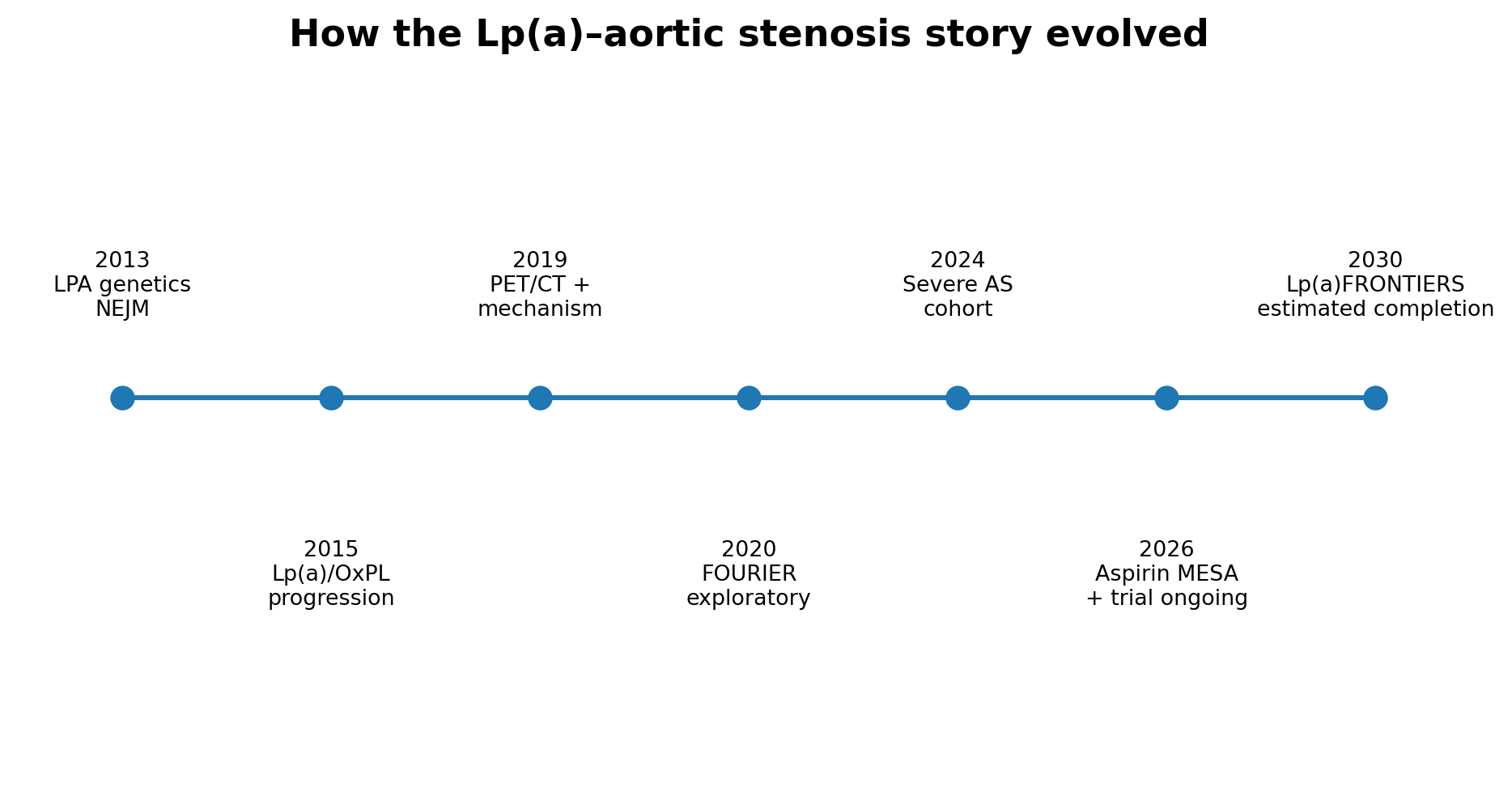
Figure 3. The field has moved from genetic association to a dedicated randomized Lp(a)-lowering trial in calcific aortic stenosis.
| Feature | Lp(a)FRONTIERS CAVS (NCT05646381) |
|---|---|
| Sponsor | Novartis Pharmaceuticals |
| Phase | Phase 2 |
| Design | Randomized, double-blind, placebo-controlled, multicenter |
| Estimated enrollment | 502 participants |
| Age | 50 to <80 years |
| Key disease criteria | Mild or moderate calcific aortic valve stenosis |
| Lp(a) entry criterion | ≥175 nmol/L at central laboratory |
| Treatment | Pelacarsen 80 mg subcutaneous once monthly vs placebo |
| Co-primary outcomes at 36 months | Change in peak aortic jet velocity; change in CT aortic valve calcium score |
| Secondary imaging | Change in fibrocalcific valve thickening on contrast CT |
| Clinical secondary endpoint | Unplanned CAVS admission, aortic valve intervention, or CAVS-related death |
| Status as of June 23, 2026 | Recruiting; no results posted |
| Estimated completion | March 12, 2030 |
This is the trial that can begin to answer the causal-treatment question. Pelacarsen is an antisense oligonucleotide designed to reduce hepatic apo(a) production and can lower Lp(a) far more than currently available therapies.
The trial deliberately enrolls patients with mild or moderate AS rather than severe disease, consistent with the hypothesis that intervention may need to occur before fibrocalcific disease becomes too advanced and self-sustaining.
Even if the imaging endpoints are positive, clinical-event data will still matter. Slowing peak velocity and valve calcium would be highly encouraging, but the ultimate goal is delaying severe stenosis, hospitalization, valve replacement and death.
10. A New 2026 Signal: Aspirin, High Lp(a) and Aortic Valve Disease
A February 2026 European Heart Journal analysis from MESA added an unexpected observational signal. Among up to 6,598 participants, regular self-reported aspirin use was associated with lower incident aortic-valve calcium and severe AS in people with high Lp(a), but not in people selected for high LDL-C.
For example, among participants with Lp(a) ≥75 mg/dL, regular aspirin use was associated with lower incident valve calcium (HR 0.42); among those with Lp(a) ≥50 mg/dL, the reported hazard ratio for severe AS was 0.13. The effect estimates became even larger at higher Lp(a) cutoffs.
These numbers are striking, but this was not a randomized aspirin trial. Aspirin use was self-reported and people who took aspirin may have differed from those who did not in ways statistical adjustment cannot fully remove. The authors explicitly called for confirmatory studies.
Therefore, this finding should not be turned into a recommendation that everyone with high Lp(a) take aspirin to prevent valve disease. Aspirin can cause gastrointestinal and intracranial bleeding, and primary-prevention decisions still require a careful benefit-risk assessment.
The 2026 MESA aspirin analysis is intriguing and mechanistically relevant to Lp(a), but it is observational. It is not proof that aspirin prevents aortic stenosis, and it does not override modern primary-prevention bleeding guidance.
11. How Is Aortic Stenosis Monitored?
Transthoracic echocardiography is the core clinical test. It assesses peak aortic jet velocity, mean transvalvular gradient, valve area, left-ventricular function and other hemodynamic consequences.
CT aortic-valve calcium can be especially useful when echocardiographic severity is discordant or difficult to interpret. Unlike coronary CAC, aortic-valve calcium scoring quantifies mineral in the valve itself and has sex-specific thresholds that help adjudicate severe AS in selected patients.
Once AS is known, follow-up frequency depends on severity, rate of progression, symptoms, left-ventricular function and clinical context. A new symptom can be more important than waiting for the next scheduled scan.
12. Symptoms That Matter
Exertional shortness of breath or a clear decline in exercise capacity.
Exertional chest pressure or angina.
Syncope or near-syncope, particularly during exertion.
New heart-failure symptoms such as orthopnea, edema or unusual fatigue.
A marked reduction in activities that were previously well tolerated.
Severe symptomatic AS is a mechanical obstruction. Once valve intervention is indicated, the established treatments are aortic valve replacement—transcatheter (TAVR/TAVI) or surgical (SAVR)—not supplements or lipid-lowering therapy.
13. Should Everyone With High Lp(a) Get an Echocardiogram?
There is no universal guideline recommendation to perform serial echocardiography solely because Lp(a) is elevated in an asymptomatic adult with a normal examination.
However, high Lp(a) should increase awareness of calcific aortic valve disease. A systolic murmur, known aortic-valve calcification, exertional symptoms, abnormal prior imaging or other clinical concern are appropriate reasons for echocardiographic evaluation.
Lp(a) itself should generally be measured at least once in adulthood because it modifies ASCVD risk and is also relevant to calcific aortic valve disease. Family screening is reasonable when levels are markedly elevated.
14. What Can Someone With High Lp(a) Do Today?
| Action | What the evidence supports |
|---|---|
| Know the Lp(a) value | One-time adult measurement identifies inherited risk; repeat testing is usually not needed unless a clinical reason exists. |
| Treat coronary risk aggressively | Control LDL-C/ApoB, blood pressure, diabetes, smoking, weight and exercise because ASCVD remains a major parallel risk. |
| Do not expect a statin to halt AS | Use statins for ASCVD indications, not as a proven valve-stenosis treatment. |
| Pay attention to symptoms / murmur | Use echocardiography when clinically indicated. |
| Avoid “decalcification” claims | No supplement has been proven to remove valve calcium or prevent valve replacement. |
| Follow Lp(a)-targeted trial results | Pelacarsen is directly testing whether large Lp(a) reduction slows mild-moderate CAVS. |
| Do not self-start aspirin for the valve | The 2026 MESA signal is observational; bleeding risk remains real. |
15. Frequently Asked Questions
Does high Lp(a) cause aortic stenosis?
The evidence supports a causal contribution to calcific degenerative aortic valve disease and incident AS. It is not the only cause, and not every person with high Lp(a) will develop AS.
How high does Lp(a) need to be for valve risk?
Risk appears continuous, but many studies show the clearest excess risk at high concentrations. The 2024 JACC: Asia cohort found a statistically significant ~2-fold severe-AS risk above 100 mg/dL.
Is aortic valve calcium the same as coronary calcium?
No. They are calcium in different structures and reflect different disease processes. A coronary CAC score does not measure aortic-valve stenosis.
Can lowering LDL stop aortic stenosis?
Randomized statin trials did not slow established calcific AS, although LDL lowering remains important for coronary prevention.
Can PCSK9 inhibitors prevent AS?
Not proven. FOURIER produced an exploratory signal that needs dedicated validation.
Will pelacarsen prevent valve replacement?
Unknown. Lp(a)FRONTIERS CAVS is still recruiting and has no results yet.
Can vitamin K2 reverse valve calcification?
No robust evidence establishes K2 as a treatment for aortic stenosis. The 2022 MK-7 plus vitamin D randomized valve trial did not slow aortic-valve calcification.
Should I take aspirin if my Lp(a) is high?
Not solely to prevent AS. A 2026 observational study was encouraging, but aspirin primary-prevention decisions must consider bleeding risk and are not established valve therapy.
If I have mild aortic sclerosis, will it definitely become severe AS?
No. Progression varies widely. Age, baseline disease severity, kidney disease and other factors influence progression.
Can exercise make AS worse?
Appropriate exercise is beneficial for cardiovascular health, but exercise advice should be individualized in moderate or severe AS, especially when symptoms are present.
16. Editorial Verdict
piece\ Lp(a) is now one of the best-supported causal drivers of calcific aortic valve disease. The field has progressed from genetics to PET/CT biology to a dedicated randomized intervention trial. But preventive cardiology must resist jumping ahead of the data: as of August 2026, no Lp(a)-lowering therapy has been proven to slow AS or delay valve replacement. Lp(a)FRONTIERS CAVS is the study to watch.
References
1. Thanassoulis G, Campbell CY, Owens DS, et al. Genetic Associations with Valvular Calcification and Aortic Stenosis. N Engl J Med. 2013;368:503-512. doi:10.1056/NEJMoa1109034.
2. Capoulade R, Chan KL, Yeang C, et al. Oxidized Phospholipids, Lipoprotein(a), and Progression of Calcific Aortic Valve Stenosis. J Am Coll Cardiol. 2015;66:1236-1246. doi:10.1016/j.jacc.2015.07.020.
3. Zheng KH, Tsimikas S, Pawade T, et al. Lipoprotein(a) and Oxidized Phospholipids Promote Valve Calcification in Patients With Aortic Stenosis. J Am Coll Cardiol. 2019;73:2150-2162. doi:10.1016/j.jacc.2019.01.070.
4. Kim AR, Ahn JM, Kang DY, et al. Association of Lipoprotein(a) With Severe Degenerative Aortic Valve Stenosis. JACC Asia. 2024;4:751-760. doi:10.1016/j.jacasi.2024.07.007.
5. Durr MRR, Burwash IG, Lau L, et al. Lipoprotein(a) Distribution in Aortic Stenosis Patients: Are Lp(a) Reducing Agents the Ultimate Solution? JACC Adv. 2025;4:101662. doi:10.1016/j.jacadv.2025.101662.
6. Razavi AC, Bhatia HS, Marrero N, et al. Aspirin use, lipoprotein(a), and calcific aortic valve disease: the Multi-ethnic Study of Atherosclerosis. Eur Heart J. 2026;ehag018. doi:10.1093/eurheartj/ehag018.
7. ClinicalTrials.gov. NCT05646381. A Multicenter Trial Assessing the Impact of Lipoprotein(a) Lowering With Pelacarsen on the Progression of Calcific Aortic Valve Stenosis [Lp(a)FRONTIERS CAVS]. Updated June 23, 2026.
8. Cowell SJ, Newby DE, Prescott RJ, et al. A Randomized Trial of Intensive Lipid-Lowering Therapy in Calcific Aortic Stenosis. N Engl J Med. 2005;352:2389-2397. doi:10.1056/NEJMoa043876.
9. Rossebø AB, Pedersen TR, Boman K, et al. Intensive Lipid Lowering with Simvastatin and Ezetimibe in Aortic Stenosis. N Engl J Med. 2008;359:1343-1356. doi:10.1056/NEJMoa0804602.
10. Chan KL, Teo K, Dumesnil JG, Ni A, Tam J. Effect of Lipid Lowering With Rosuvastatin on Progression of Aortic Stenosis: ASTRONOMER. Circulation. 2010;121:306-314. doi:10.1161/CIRCULATIONAHA.109.900027.
11. Bergmark BA, O’Donoghue ML, Murphy SA, et al. An Exploratory Analysis of Proprotein Convertase Subtilisin/Kexin Type 9 Inhibition and Aortic Stenosis in the FOURIER Trial. JAMA Cardiol. 2020;5:709-713. doi:10.1001/jamacardio.2020.0728.
12. Kronenberg F, Mora S, Stroes ESG, et al. Lipoprotein(a) in Atherosclerotic Cardiovascular Disease and Aortic Stenosis: A European Atherosclerosis Society Consensus Statement. Eur Heart J. 2022;43:3925-3946.
13. Pawade T, Clavel MA, Tribouilloy C, et al. Computed Tomography Aortic Valve Calcium Scoring in Patients With Aortic Stenosis. Circ Cardiovasc Imaging. 2018.
14. Otto CM, Nishimura RA, Bonow RO, et al. 2020 ACC/AHA Guideline for the Management of Patients With Valvular Heart Disease. Circulation. 2021;143:e72-e227.
15. Vahanian A, Beyersdorf F, Praz F, et al. 2021 ESC/EACTS Guidelines for the management of valvular heart disease. Eur Heart J. 2022;43:561-632.
16. Dweck MR, Boon NA, Newby DE. Calcific Aortic Stenosis: A Disease of the Valve and the Myocardium. J Am Coll Cardiol. 2012;60:1854-1863.
17. Lindman BR, Clavel MA, Mathieu P, et al. Calcific Aortic Stenosis. Nat Rev Dis Primers. 2016;2:16006.
18. Mathieu P, Boulanger MC. Basic Mechanisms of Calcific Aortic Valve Disease. Can J Cardiol. 2014.
19. Tsimikas S. Lipoprotein(a): Novel Target and Emergence of Novel Therapies to Lower Cardiovascular Disease Risk. Curr Opin Endocrinol Diabetes Obes. Review.
20. Bouchareb R, Mahmut A, Nsaibia MJ, et al. Autotaxin Derived From Lipoprotein(a) and Valve Interstitial Cells Promotes Inflammation and Mineralization of the Aortic Valve. Circulation. 2015.
21. Kamstrup PR, Tybjærg-Hansen A, Nordestgaard BG. Elevated Lipoprotein(a) and Risk of Aortic Valve Stenosis in the General Population. J Am Coll Cardiol. 2014.
22. Arsenault BJ, Boekholdt SM, Dubé MP, et al. Lipoprotein(a) Levels, Genotype, and Incident Aortic Valve Stenosis: EPIC-Norfolk. Circ Cardiovasc Genet. 2014.
23. Pawade TA, Newby DE, Dweck MR. Calcification in Aortic Stenosis: The Skeleton Key. J Am Coll Cardiol. Review.
24. Clavel MA, Messika-Zeitoun D, Pibarot P, et al. The Complex Nature of Discordant Severe Calcified Aortic Valve Disease Grading. J Am Coll Cardiol.
25. Blumenthal RS, Morris PB, Gaudino M, et al. 2026 ACC/AHA Multisociety Guideline on the Management of Dyslipidemia. Circulation. 2026.
26. Diederichsen ACP, Lindholt JS, Möller S, et al. Vitamin K2 and D in Patients With Aortic Valve Calcification: A Randomized Double-Blinded Clinical Trial. Circulation. 2022;145:1387-1397.
ElevatedCholesterol.com Editorial Team • Evidence-based cardiovascular prevention