Executive summary
Lp(a) concentration is largely inherited through the LPA gene and is far less responsive to lifestyle than LDL-C, triglycerides, blood pressure or glucose metabolism.
The 2024 National Lipid Association update and the 2026 ACC/AHA dyslipidemia guideline treat elevated Lp(a) primarily as a risk enhancer: the practical response is more intensive management of modifiable cardiovascular risk, especially LDL-C/ApoB and other major risk factors.
Exercise may lower Lp(a) by a small average amount in pooled randomized data, but the effect is modest and not reliable enough to use exercise as an Lp(a)-lowering treatment. Exercise remains strongly beneficial for cardiovascular health for many other reasons.
Diet can move Lp(a) slightly in either direction. Lower-saturated-fat diets may modestly raise Lp(a), particularly when saturated fat is replaced with carbohydrate, even while improving LDL-C/ApoB. This should not be interpreted as a reason to increase saturated fat simply to make the Lp(a) number look better.
Weight loss and bariatric interventions can change Lp(a) in some populations, but responses are variable. The cardiometabolic benefits of appropriate weight loss are much broader than any change in Lp(a).
Niacin can lower Lp(a) roughly 20–30%, but large outcome trials failed to show cardiovascular benefit when added to statin therapy and found important adverse effects. It is not recommended simply to treat an elevated Lp(a).
Small or older studies have reported Lp(a) changes with CoQ10, L-carnitine and other nutraceuticals, but these data are not strong enough to support routine Lp(a)-specific use. Garlic has not shown reliable lowering.
A very recent 2026 randomized study of berberine reported reductions in Lp(a) alongside ApoB and LDL-C, especially in women, but the trial was small, short and not an outcomes study. It is an interesting signal, not a new standard of care.
The right objective is not “make Lp(a) normal by any means.” The objective is to lower absolute cardiovascular risk while awaiting definitive Lp(a)-targeted outcome data and therapies.
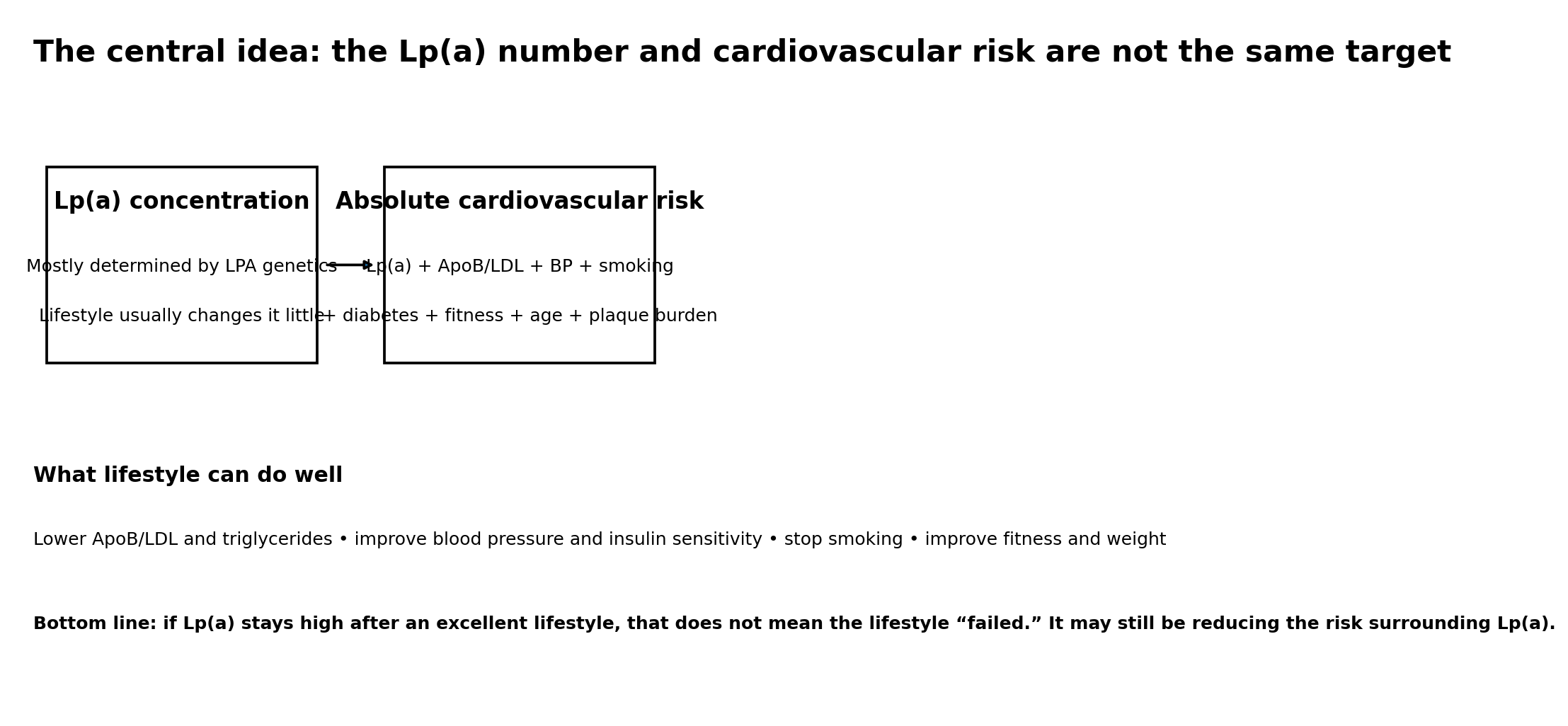
Figure 1. Lp(a) concentration is one risk factor; absolute cardiovascular risk is the clinical target.
1. Why Lp(a) is different from ordinary cholesterol
Lipoprotein(a), or Lp(a), looks superficially like an LDL particle because it contains apolipoprotein B-100, but it also carries a second protein, apolipoprotein(a). The concentration of circulating Lp(a) is driven predominantly by inherited variation in the LPA gene. That is why two people with otherwise similar diets, body weight and LDL-C can have dramatically different Lp(a) levels.
This genetic dominance explains one of the most frustrating experiences for patients: they improve their diet, exercise regularly, lose weight and see LDL-C, triglycerides, glucose and blood pressure improve — while Lp(a) barely changes. That is not evidence that the lifestyle intervention failed. It is evidence that Lp(a) behaves differently from most familiar cardiometabolic markers.
The 2026 ACC/AHA dyslipidemia guideline recommends measuring Lp(a) at least once. It treats Lp(a) ≥125 nmol/L (50 mg/dL) as a risk-enhancing factor and explicitly frames elevated Lp(a) as a reason to intensify LDL-C lowering and management of other risk factors, rather than as a biomarker that lifestyle must directly normalize.
2. How much can lifestyle realistically change Lp(a)?
The most useful way to answer this question is to separate two different endpoints: change in the Lp(a) concentration and change in cardiovascular risk. Lifestyle interventions can be extremely effective at the second even when they barely affect the first.
A 2025 meta-analysis of randomized exercise trials found a statistically significant mean reduction in Lp(a) of about 2.5 mg/dL. That is a real signal, but it is small compared with the difference between a typical low Lp(a) concentration and a markedly elevated genetically determined value. Individual responses vary, and older trials have reported no change or even modest increases.
Dietary trials tell a similarly nuanced story. Healthy dietary patterns often improve LDL-C, non-HDL-C, blood pressure, glycemia and overall diet quality while producing only small Lp(a) shifts. In OmniHeart, three heart-healthy diets increased mean Lp(a) by roughly 2–5 mg/dL compared with baseline. In a controlled low-carbohydrate feeding study after weight loss, the low-carbohydrate arm reduced Lp(a) by about 15% while the higher-carbohydrate diets did not. Neither finding means that one macronutrient pattern is universally “the Lp(a) diet.”
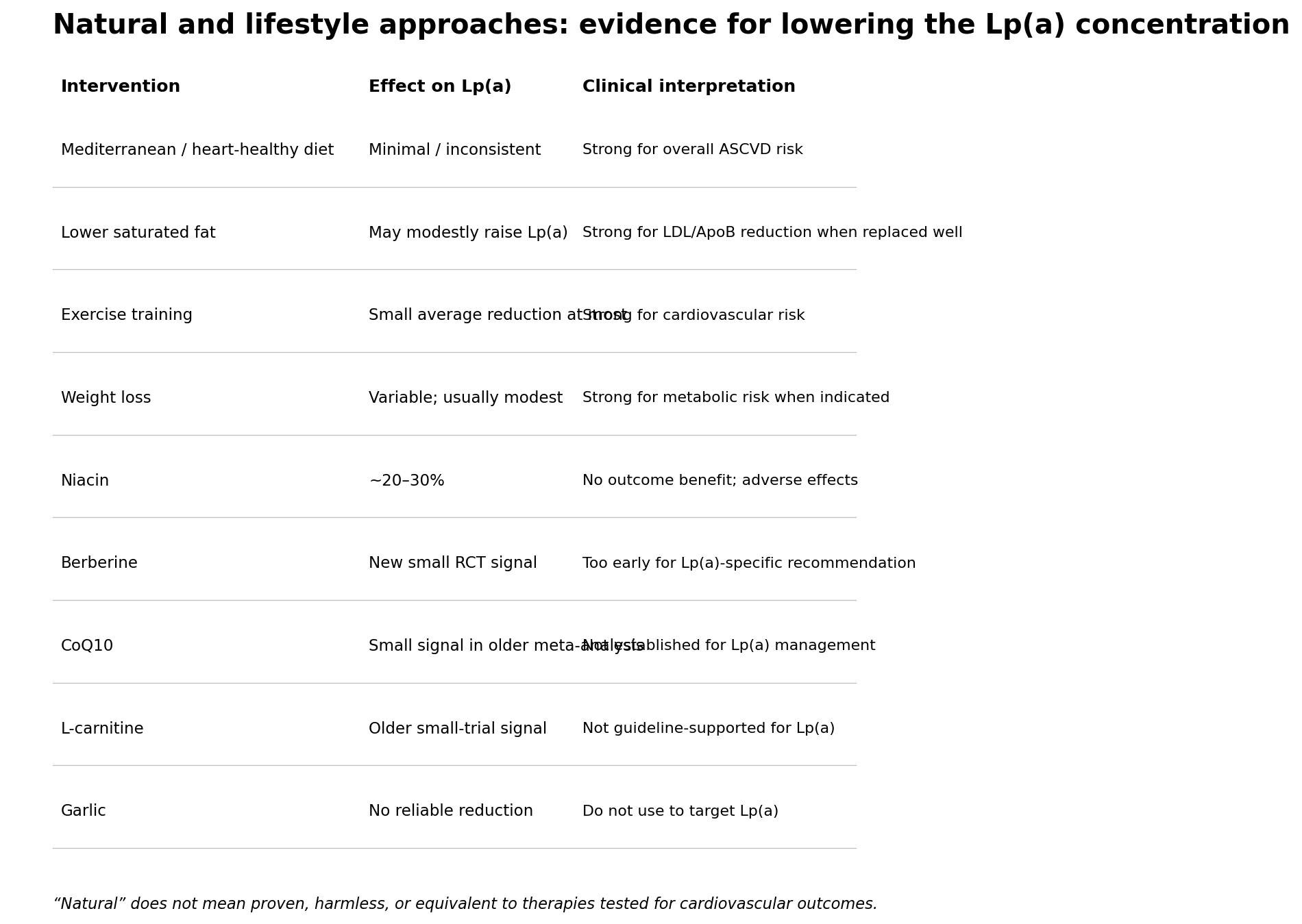
Figure 2. Evidence for changing the Lp(a) concentration is much weaker than evidence that healthy lifestyle lowers overall cardiovascular risk.
3. Diet: the saturated-fat paradox and why context matters
One of the most counterintuitive findings in Lp(a) research is that reducing saturated fat can cause a small rise in Lp(a). A 2024 systematic review and meta-analysis of 27 randomized controlled trials found that diets lower in saturated fatty acids produced modestly higher Lp(a) than diets higher in saturated fat. The effect was most apparent when saturated fat was replaced by carbohydrate or trans fat; replacing saturated fat with mono- or polyunsaturated fat did not significantly change Lp(a).
This creates an important interpretation trap. It would be a mistake to conclude that eating more saturated fat is a cardiovascular treatment for high Lp(a). A food pattern can improve ApoB-containing lipoproteins and overall risk even if one genetically driven biomarker moves a few points in the “wrong” direction. Cardiovascular prevention should optimize the whole risk profile rather than manipulate one laboratory value in isolation.
| Dietary question | What the evidence suggests | Practical interpretation |
|---|---|---|
| Mediterranean-style diet | Little evidence of major direct Lp(a) lowering | Strong choice for overall cardiometabolic risk reduction |
| Lower saturated fat | May modestly raise Lp(a) in some trials | Still useful when it lowers LDL-C/ApoB; prefer unsaturated-fat replacement |
| Low-carbohydrate diet | One controlled feeding trial showed ~15% Lp(a) reduction | Not sufficient to prescribe low-carb solely for Lp(a) |
| High fiber / psyllium | Lowers LDL-C modestly; little evidence for Lp(a) | Useful for ApoB/LDL management, not an Lp(a)-specific therapy |
| Alcohol | May lower some lipid markers in older studies | Do not start drinking to lower Lp(a); overall harms dominate the recommendation |
MYTH: “If lowering saturated fat raises my Lp(a), saturated fat must be protective for me.” FACT: Lp(a) is only one component of risk. Lowering ApoB/LDL-C has direct outcome evidence; deliberately increasing saturated fat to improve an Lp(a) laboratory value is not an evidence-based prevention strategy.
4. Exercise: excellent medicine, weak Lp(a) drug
Regular physical activity is one of the strongest non-drug interventions for cardiovascular health. It improves cardiorespiratory fitness, endothelial function, insulin sensitivity, blood pressure, triglycerides, body composition and functional capacity. The mistake is to reduce all of those benefits to the question, “Did my Lp(a) fall?”
The 2025 randomized-trial meta-analysis found a small average Lp(a) reduction, but the literature is heterogeneous. Some older trials saw no meaningful effect and one year-long randomized study reported a modest increase in the exercise group. The most defensible conclusion is that exercise does not reliably or substantially lower genetically elevated Lp(a).
That does not make exercise less important in a person with high Lp(a). It makes it more important: a nonmodifiable risk enhancer raises the value of aggressively improving modifiable ones.
Choose an exercise program for cardiovascular fitness, blood pressure, glucose control, body composition and long-term adherence — not for an expected 30–50% fall in Lp(a), because current evidence does not support that expectation.
5. Weight loss, obesity and bariatric surgery
Lp(a) is not tightly coupled to body mass index, so weight loss does not behave like a conventional Lp(a)-lowering intervention. Studies of obesity treatment show variable responses. A comparative analysis of surgical and lifestyle obesity interventions found that Lp(a) can change differently depending on the intervention, reinforcing the idea that Lp(a) is biologically distinct from triglycerides, insulin resistance and many other metabolic markers.
For a person with overweight or obesity, this should not change the clinical priority. Appropriate weight loss can improve blood pressure, glycemia, triglycerides, sleep apnea, inflammation and physical function. Those improvements matter even if Lp(a) is unchanged.
6. Niacin: a cautionary lesson in biomarker medicine
Niacin is often rediscovered online because it can lower Lp(a), commonly by about 20–30% on average. If the only goal were to make the laboratory value smaller, that would look attractive. Cardiovascular medicine learned why that is not enough.
In AIM-HIGH and HPS2-THRIVE, adding niacin-based therapy to contemporary statin treatment did not produce the expected reduction in cardiovascular events. HPS2-THRIVE also documented important adverse effects, including problems involving glucose control, infection, gastrointestinal symptoms, musculoskeletal events, skin reactions and bleeding. Substudies did not identify convincing benefit specifically among those with higher Lp(a).
A drug can lower Lp(a) and still fail to improve outcomes. That is why the current generation of Lp(a)-specific agents is being tested in large cardiovascular outcome trials rather than approved on percentage lowering alone.
7. Supplements and nutraceuticals: what deserves attention?
The nutraceutical literature is much weaker than the evidence base for major lipid-lowering drugs. Trials are often small, short, heterogeneous, performed in selected populations and focused on laboratory endpoints rather than heart attacks or strokes. A statistically significant Lp(a) change in a meta-analysis does not automatically establish a clinically useful treatment.
| Intervention | Evidence on Lp(a) | What it means in practice |
|---|---|---|
| Berberine | 2026 randomized data showed Lp(a), ApoB and LDL-C reductions; larger effects in women | Promising new signal, but small/short trials and no Lp(a)-specific outcome evidence |
| CoQ10 | 2016 meta-analysis: small mean reduction (~3.5 mg/dL); later CAD meta-analysis found no significant Lp(a) effect | Inconsistent; not recommended specifically to treat high Lp(a) |
| L-carnitine | Older meta-analysis of 7 trials suggested ~9 mg/dL oral reduction | Interesting but old, small and not guideline-based Lp(a) therapy |
| Garlic | Meta-analysis did not show reliable Lp(a) reduction | Do not use garlic supplements to target Lp(a) |
| Omega-3 / fish oil | No consistent evidence of clinically meaningful Lp(a) lowering | Use prescription EPA only for appropriate triglyceride/risk indications, not as an Lp(a) treatment |
| Vitamin K2 | No established Lp(a)-lowering role | K2/CAC research is a separate question from lowering Lp(a) |
| Psyllium / soluble fiber | Useful LDL-C adjunct; no established Lp(a) effect | Worth considering for LDL/ApoB and diet quality, not for Lp(a) itself |
8. Berberine: why the 2026 study is interesting --- but not practice-changing yet
In July 2026, JACC: Asia published randomized placebo-controlled data evaluating berberine 500 mg twice daily for 12 weeks in women, alongside stored samples from a comparable prior trial in men. The study reported improvements in ApoB, LDL-C, triglycerides and Lp(a), with greater reductions in women for several markers including Lp(a).
This is more credible than a supplement testimonial because it is randomized trial evidence. But it is still an early signal. The trial was small, treatment lasted only 12 weeks, gastrointestinal withdrawals occurred, and the study was not designed to determine whether berberine prevents cardiovascular events or specifically neutralizes Lp(a)-mediated risk. It also raises questions about sex-hormone effects that deserve further study.
BERBERINE FOR Lp(a): Emerging / hypothesis-generating. It may eventually become relevant as a broader metabolic or lipid adjunct, but it should not currently be presented as a substitute for guideline-directed risk reduction or as a proven Lp(a)-specific therapy.
9. CoQ10, L-carnitine and the problem of small-study signals
A 2016 meta-analysis of seven randomized trials found that CoQ10 lowered Lp(a) by an average of about 3.5 mg/dL, particularly in participants with higher baseline values. However, a later meta-analysis in coronary artery disease did not find a significant effect on Lp(a). This inconsistency is exactly why a small biomarker signal should not be converted into a firm clinical recommendation.
An older meta-analysis of L-carnitine trials reported a larger mean reduction — around 9 mg/dL for oral treatment. The evidence came from only a few hundred participants, with varying populations and trial quality. There is no major contemporary lipid guideline recommending L-carnitine as an Lp(a)-lowering treatment.
The appropriate editorial standard is therefore not “these supplements do nothing.” It is: the evidence is insufficient to prescribe them specifically to lower Lp(a) or prevent Lp(a)-mediated cardiovascular disease.
10. Hormones, alcohol and other ways to move the number that are not Lp(a) treatments
Some interventions can change Lp(a) without becoming appropriate preventive therapies. Oral estrogen, for example, reduced Lp(a) by roughly 20% in older randomized studies of postmenopausal women. Hormone therapy is not initiated simply to lower Lp(a), because the overall benefit-risk decision is far more complex and depends on menopausal symptoms, age, timing, thrombotic risk and other factors.
Older alcohol studies suggested possible modest Lp(a) reductions, but the evidence is inconsistent and modern preventive guidance does not recommend starting alcohol for cardiovascular benefit. Alcohol can increase blood pressure, atrial fibrillation risk, triglycerides, liver disease and cancer risk. A favorable laboratory effect cannot justify an intervention with broader harms.
11. Why your Lp(a) may change between blood tests
“Genetically determined” does not mean “identical to the last decimal forever.” Biological variation, assay methodology, inflammation, kidney or liver disease, hormonal states and other physiologic factors can shift measured Lp(a). Differences are especially confusing when results are reported in different units.
The most important practical rule is not to convert mg/dL to nmol/L with a single universal factor. Apo(a) isoform size affects particle mass, so there is no exact conversion that works for every individual. If a result seems inconsistent with previous values, repeat testing in the same laboratory and the same units when clinically appropriate rather than treating a web conversion calculator as a definitive answer.
12. The better goal: lower the risk around Lp(a)
The key clinical insight is that inherited Lp(a) risk does not exist in isolation. A person with high Lp(a), high ApoB, hypertension, diabetes and smoking exposure has a very different absolute risk from a person with the same Lp(a) but low ApoB, normal blood pressure, no smoking, excellent fitness and no evidence of plaque.
The 2024 NLA update and 2026 ACC/AHA guideline therefore emphasize intensified management of modifiable risk factors. In practice, this usually means knowing the full atherogenic lipid burden, controlling blood pressure and diabetes, avoiding tobacco, maintaining fitness and addressing LDL-C/ApoB more aggressively when overall risk justifies it.
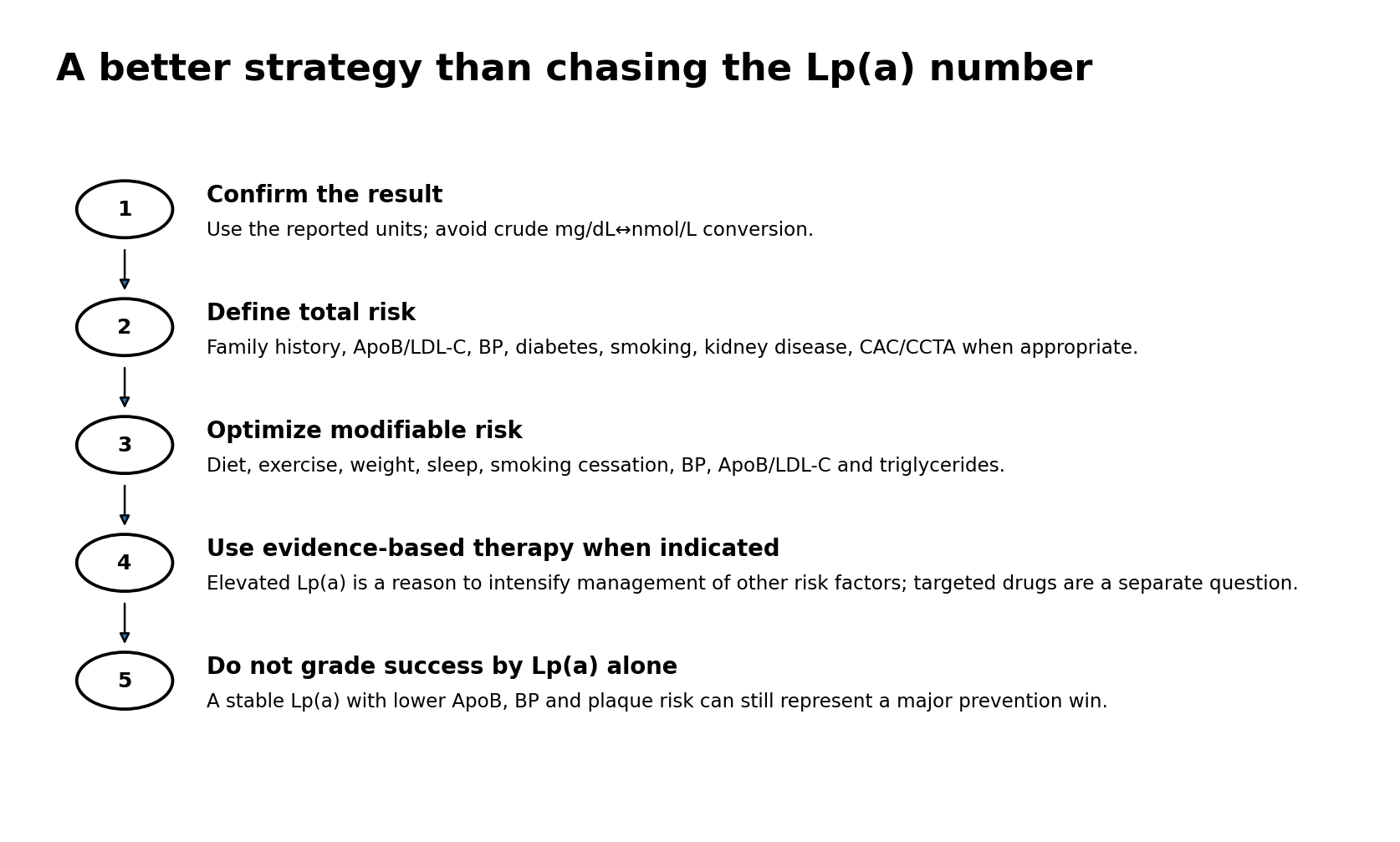
Figure 3. A practical strategy for a person who discovers elevated Lp(a).
| What to optimize | Why it matters when Lp(a) is high |
|---|---|
| LDL-C / ApoB | Reduces the number of other atherogenic particles interacting with lifelong Lp(a) risk |
| Blood pressure | Reduces vascular injury and absolute ASCVD risk |
| Smoking | One of the highest-yield modifiable risk factors |
| Diabetes / insulin resistance | Adds substantial vascular risk even though it may not determine Lp(a) |
| Exercise / fitness | Improves multiple risk pathways independent of Lp(a) |
| Weight / waist when indicated | Improves BP, glycemia, triglycerides, sleep apnea and inflammation |
| CAC/CCTA in selected patients | Can refine risk when the decision about treatment intensity is uncertain |
13. What not to do
Do not increase saturated fat simply because a trial suggests it may lower Lp(a) slightly.
Do not start niacin solely to lower Lp(a) without a clinician-directed indication and a clear discussion of risks.
Do not assume a supplement is effective because a small study reports a statistically significant biomarker change.
Do not stop proven LDL/ApoB-lowering therapy because Lp(a) did not fall — or because it rose slightly.
Do not use a universal online conversion factor between mg/dL and nmol/L as if it were exact.
Do not define success as “normal Lp(a).” Define success as lower lifetime cardiovascular risk.
14. Frequently asked questions
Can a perfect diet normalize a very high Lp(a)?
Usually not. Markedly elevated Lp(a) is predominantly genetic. Diet may cause small changes, but it is not a reliable way to normalize a genetically high concentration.
Should I eat more saturated fat if it lowers Lp(a)?
No. The small Lp(a) effect seen in feeding studies must be interpreted alongside LDL-C/ApoB and total cardiovascular risk. Deliberately increasing saturated fat to improve Lp(a) is not evidence-based.
Does exercise lower Lp(a)?
Possibly a little on average, but not reliably or by an amount comparable with targeted therapies. Exercise should be pursued for its broad cardiovascular benefits.
Does losing weight lower Lp(a)?
Sometimes, but the response is variable. Weight loss should be pursued when appropriate for its wider metabolic benefits, not because a large Lp(a) reduction is expected.
What about niacin?
Niacin lowers Lp(a), but large outcome trials did not show the expected cardiovascular benefit on top of statins and found significant adverse effects. It is not standard Lp(a) therapy.
Does berberine lower Lp(a)?
A 2026 randomized study reported a reduction, but this is early evidence from small, short studies. It is not yet a proven Lp(a)-specific treatment.
Do CoQ10 or L-carnitine work?
Small meta-analyses reported reductions, but the evidence is inconsistent or dated and there are no robust cardiovascular outcome data supporting their use specifically for high Lp(a).
What should I do if my Lp(a) is high?
Assess overall risk, optimize LDL-C/ApoB and other modifiable risk factors, consider family screening, and use CAC/CCTA selectively when imaging would change management. Discuss drug therapy with a clinician based on total risk.
How often should Lp(a) be measured?
For most adults, one measurement is sufficient to identify inherited risk. Repeat testing can be reasonable when a result is unexpected, when secondary conditions may have influenced it, or when monitoring an Lp(a)-targeted therapy or trial.
Is "lower naturally" the wrong question?
Often, yes. A more useful question is: “How do I reduce my lifetime cardiovascular risk despite high Lp(a)?”
15. Bottom line
Elevated Lp(a) is one of the clearest examples of why prevention cannot be reduced to “eat better and recheck the number.” Lifestyle remains foundational, but not because it reliably erases genetically high Lp(a). It matters because cardiovascular risk is cumulative and multifactorial.
A patient who exercises, avoids smoking, controls blood pressure and diabetes, maintains a healthy weight, and aggressively manages LDL-C/ApoB may dramatically change the clinical meaning of a fixed inherited risk factor — even while Lp(a) barely moves. That is the prevention strategy supported by current guidelines.
Do not judge a heart-healthy lifestyle by whether it lowers Lp(a). Judge it by whether it lowers the total burden of atherosclerotic risk. Lp(a)-specific lowering is becoming a pharmacologic question; lifestyle is still the foundation of risk reduction.
References
1. 1. Blumenthal RS, Morris PB, Gaudino M, et al. 2026 ACC/AHA/AACVPR/ABC/ACPM/ADA/AGS/APhA/ASPC/NLA/PCNA Guideline on the Management of Dyslipidemia. J Am Coll Cardiol. Published online March 13, 2026. doi:10.1016/j.jacc.2025.11.016.
2. 2. Koschinsky ML, Bajaj A, Boffa MB, et al. A focused update to the 2019 NLA scientific statement on use of lipoprotein(a) in clinical practice. J Clin Lipidol. 2024.
3. 3. Kronenberg F, Mora S, Stroes ESG, et al. Lipoprotein(a) in atherosclerotic cardiovascular disease and aortic stenosis: a European Atherosclerosis Society consensus statement. Eur Heart J. 2022;43:3925-3946.
4. 4. Riley TM, Sapp PA, Kris-Etherton PM, Petersen KS. Effects of saturated fatty acid consumption on lipoprotein(a): a systematic review and meta-analysis of randomized controlled trials. Am J Clin Nutr. 2024;120:619-629.
5. 5. Myagmarsuren M, Law HG, Zhang W, et al. Lipoprotein(a) lipidome: responses to reduced dietary saturated fat intake in two randomized controlled feeding trials. Nutrients. 2025;17:3113.
6. 6. Myagmarsuren M, et al. Lipoprotein(a) lipidome and diet: responses to reducing saturated fat intake in African Americans in a randomized trial. J Lipid Res. 2026;101032.
7. 7. Furtado JD, Campos H, Appel LJ, et al. Healthy dietary interventions and lipoprotein(a) plasma levels: results from the OmniHeart Trial. PLoS One. 2014.
8. 8. Ebbeling CB, et al. Effects of a low-carbohydrate diet on insulin-resistant dyslipoproteinemia: a randomized controlled feeding trial. Am J Clin Nutr. 2022;115:154-162.
9. 9. Effect of Exercise Training on Apolipoproteins: Meta-analysis and Trial Sequence Analysis. PubMed PMID: 40203891. 2025.
10. 10. Halle M, et al. Exercise-induced increase in lipoprotein(a). Atherosclerosis. 1996;122:217-221.
11. 11. Differing effects of bariatric surgery and lifestyle interventions on plasma levels of Lp(a) and fatty acids. Nutr Metab Cardiovasc Dis / related obesity intervention analysis. 2022-2023.
12. 12. Sahebkar A, Reiner Z, Simental-Mendia LE, et al. Effect of extended-release niacin on plasma lipoprotein(a) levels: a systematic review and meta-analysis of randomized placebo-controlled trials. Metabolism. 2016;65:1664-1678.
13. 13. Landray MJ, Haynes R, Hopewell JC, et al. Effects of extended-release niacin with laropiprant in high-risk patients. N Engl J Med. 2014;371:203-212.
14. 14. AIM-HIGH Investigators. Niacin in patients with low HDL cholesterol levels receiving intensive statin therapy. N Engl J Med. 2011;365:2255-2267.
15. 15. Parish S, Hopewell JC, Hill MR, et al. Impact of apolipoprotein(a) isoform size on lipoprotein(a) lowering in HPS2-THRIVE. Circ Genom Precis Med. 2018.
16. 16. Zhao JV, Chen B, Chan YH, et al. Sex-Specific Lipid, Apolipoprotein B, and Lipoprotein(a) Responses to Berberine Based on 2 Randomized Placebo-Controlled Trials. JACC Asia. Published online July 2026. doi:10.1016/j.jacasi.2026.06.011.
17. 17. Sahebkar A, Simental-Mendia LE, Stefanutti C, Pirro M. Supplementation with coenzyme Q10 reduces plasma lipoprotein(a) concentrations but not other lipid indices: a systematic review and meta-analysis. Pharmacol Res. 2016;105:198-209.
18. 18. Jorat MV, et al. The effects of coenzyme Q10 supplementation on lipid profiles among patients with coronary artery disease: a systematic review and meta-analysis of randomized controlled trials. Lipids Health Dis. 2018.
19. 19. Serban MC, Sahebkar A, Mikhailidis DP, et al. Impact of L-carnitine on plasma lipoprotein(a) concentrations: a systematic review and meta-analysis of randomized controlled trials. Sci Rep. 2016;6:19188.
20. 20. Sahebkar A, Serban C, Ursoniu S, Banach M. Effect of garlic on plasma lipoprotein(a) concentrations: a systematic review and meta-analysis of randomized controlled clinical trials. Nutrition. 2016;32:33-40.
21. 21. Tuck CH, Holleran S, Berglund L. Hormonal regulation of lipoprotein(a) levels: effects of estrogen replacement therapy on lipoprotein(a) and acute phase reactants in postmenopausal women. Arterioscler Thromb Vasc Biol. 1997;17:1822-1829.
22. 22. Kim CJ, et al. Effects of hormone replacement therapy on lipoprotein(a) and lipids in postmenopausal women. Arterioscler Thromb. 1994;14:275-281.
23. 23. Brien SE, Ronksley PE, Turner BJ, et al. Effect of alcohol consumption on biological markers associated with risk of coronary heart disease: systematic review and meta-analysis of interventional studies. BMJ. 2011;342:d636.
24. 24. Moderate alcohol consumption and lipoprotein subfractions: a systematic review of intervention and observational studies. Nutr Rev. 2022;80:1311-1339.
25. 25. de Boer LM, Oorthuys AOJ, Wiegman A, et al. Statin therapy and lipoprotein(a) levels: a systematic review and meta-analysis. Eur J Prev Cardiol. 2022;29:779-792.
This review deliberately distinguishes direct Lp(a) lowering from overall cardiovascular risk reduction. Nutraceutical and dietary studies are included to answer common patient questions; inclusion does not imply endorsement. Evidence status should be rechecked before future publication updates because the Lp(a) field is changing rapidly.